
Lauren Levato Coyne
2026 AICA-USA Irving Sandler Award for New Voices in Art Criticism
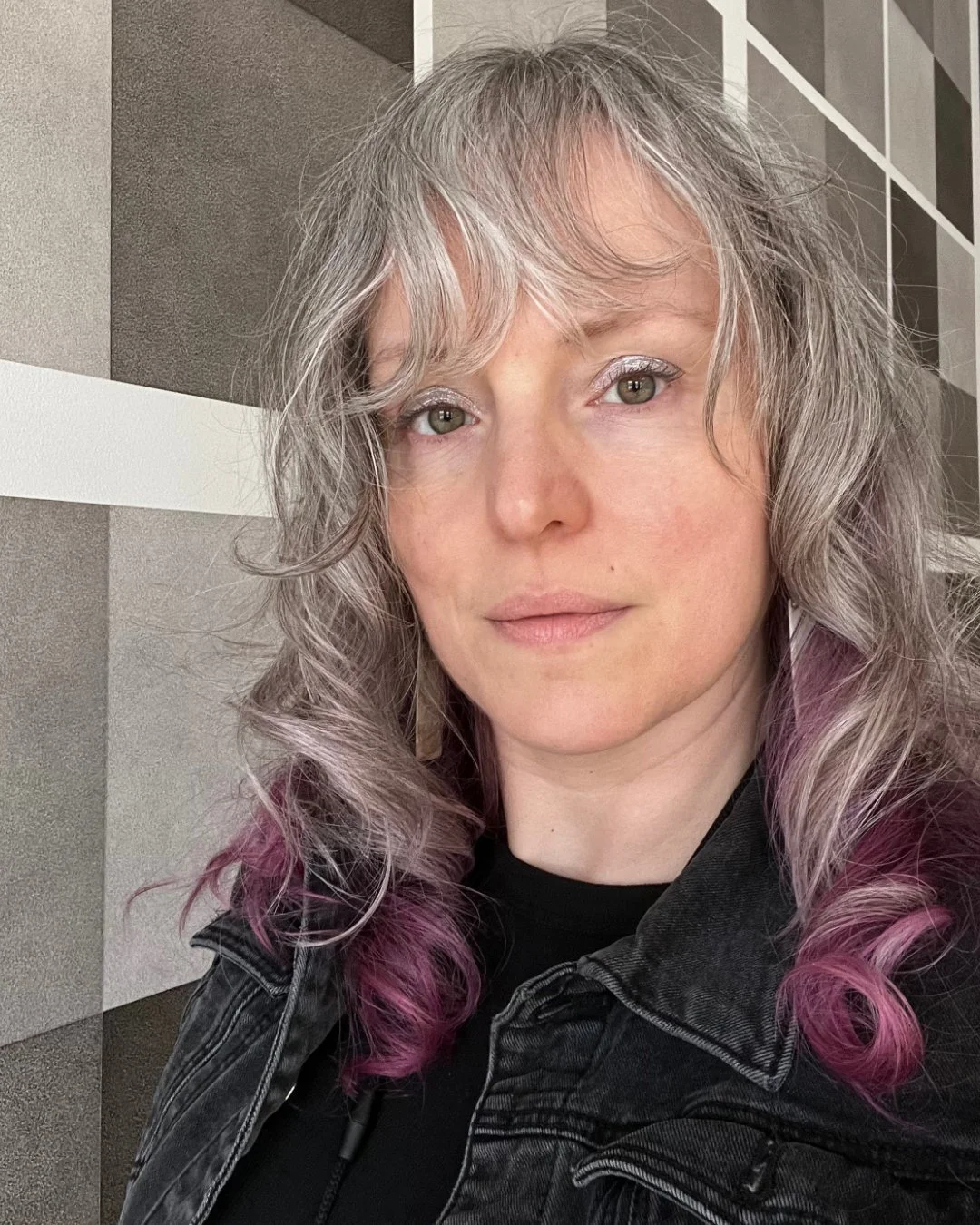
On behalf of AICA-USA’s board of directors, and the Irving Sandler Award selection committee, I’m thrilled to announce that Lauren Levato Coyne has been selected as the winner of AICA-USA’s 2026 AICA-USA Irving Sandler Award for New Voices in Art Criticism.
After rigorous review by AICA-USA’s award committee, Levato Coyne was selected to receive an award of $2,500 USD.
Lauren Levato Coyne’s work across US-based and international publications combines scientific observation, pedagogy, and ecology, creating a space for thought and action to emerge and evolve.
In this critical moment, her intersectional, interdisciplinary approach offers us the opportunity to view art writing not only as a productive force but as but one of many generative, interconnected systems vital to human flourishing.
Patrick Hill
Managing Director
AICA-USA
Lauren Levato Coyne is a writer, artist, and educator based in the Berkshires. Her art writing considers queerness, climate change, species loss, and the ecological imagination. She most often writes about sculpture and installation. Levato Coyne turned to writing about art after earning her MFA in painting at Cranbrook Academy of Art. Prior to that, she was a daily news and features reporter, copy editor, and magazine editor.
Her reviews and essays appear locally and internationally in publications such as Antennae: The Journal of Nature in Visual Culture (UK); The Berkshire Eagle; Boston Art Review; HEY! (France); Gulf Coast Literary Journal; Sculpture Magazine, and others. Her writing has received a number of awards including a Toni Beauchamp Prize for Critical Arts Writing, awarded by Legacy Russell; a Rabkin Foundation travel grant; and a Vermont Studio Center Fellowship. In 2025, she was a finalist for the Warhol Arts Writers Grant.
Currently, Levato Coyne is the 2026 artist in residence at the Kinney Center for Interdisciplinary Renaissance Studies at UMass Amherst. While there, she is researching early modern perspectives around animals, ecology, and the Medusa myth. She teaches art in the Paleobiology and Oceanography departments at Williams College.